
PUBLICATIONS
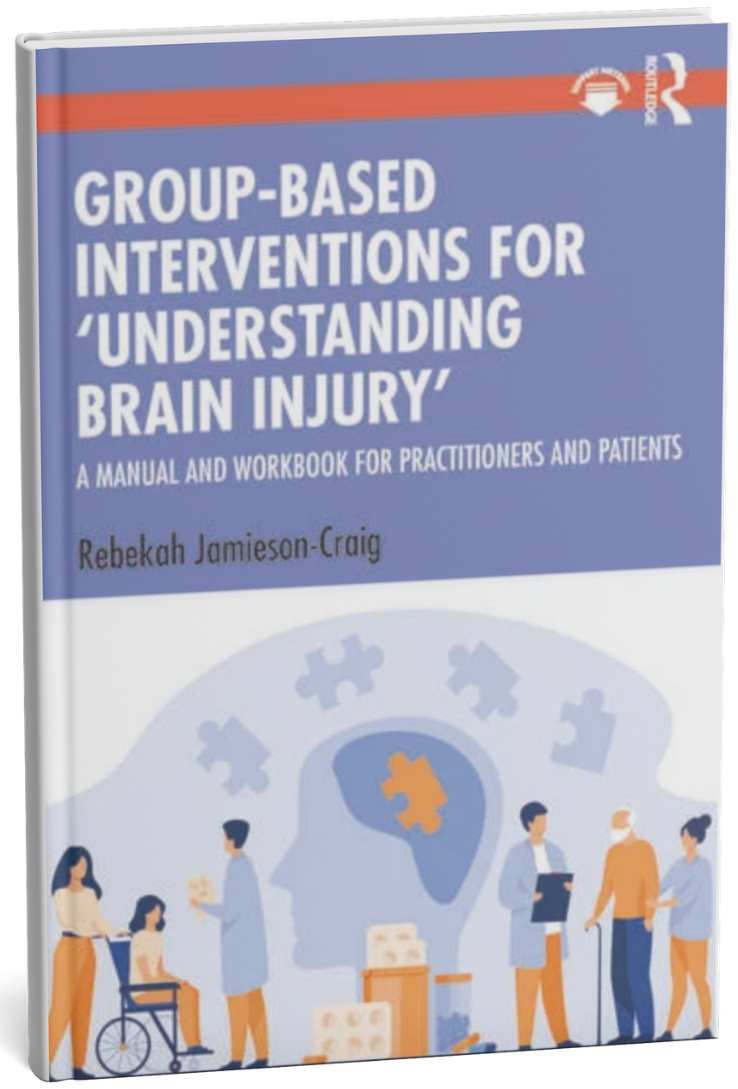
This hands-on volume is both manual and workbook, designed to be used alongside the Understanding Brain Injury Group. This group aims to increase the understanding and acknowledgement of acquired brain injury and find ways of coping with the consequences. The manual section outlines the steps needed for practitioners to run the Understanding Brain Injury Group successfully, and the workbook section – also available as a downloadable resource – is intended to be used by patients.
The chapters in the manual mirror the structure of the eight sessions of the group, highlighting differing aspects of having a brain injury. Initially, the sessions cover psychoeducation regarding brain injury and what neurorehabilitation entails. Following this, the group then focuses on living with the consequences of brain injury, whether that represents physical, cognitive, emotional or lifestyle changes. Participants are invited to share their experiences and discuss coping strategies to help with both the new limitations as well as the unwanted emotions that frequently exist after brain injury. Goals are set at the beginning of the group and are revisited at the end to decide on whether they were being realistic, overachieving or pessimistic in their outlook at the start of the group. Throughout, the members of the group can record their session activity in the accompanying workbook.
Created to be used by clinicians, therapists or any individual, this resource can be used in a post-acute setting such as a neurorehabilitation unit, a slow-stream rehab setting such as community neurorehabilitation or homes specifically aimed at catering for the needs of those with neurological impairments.
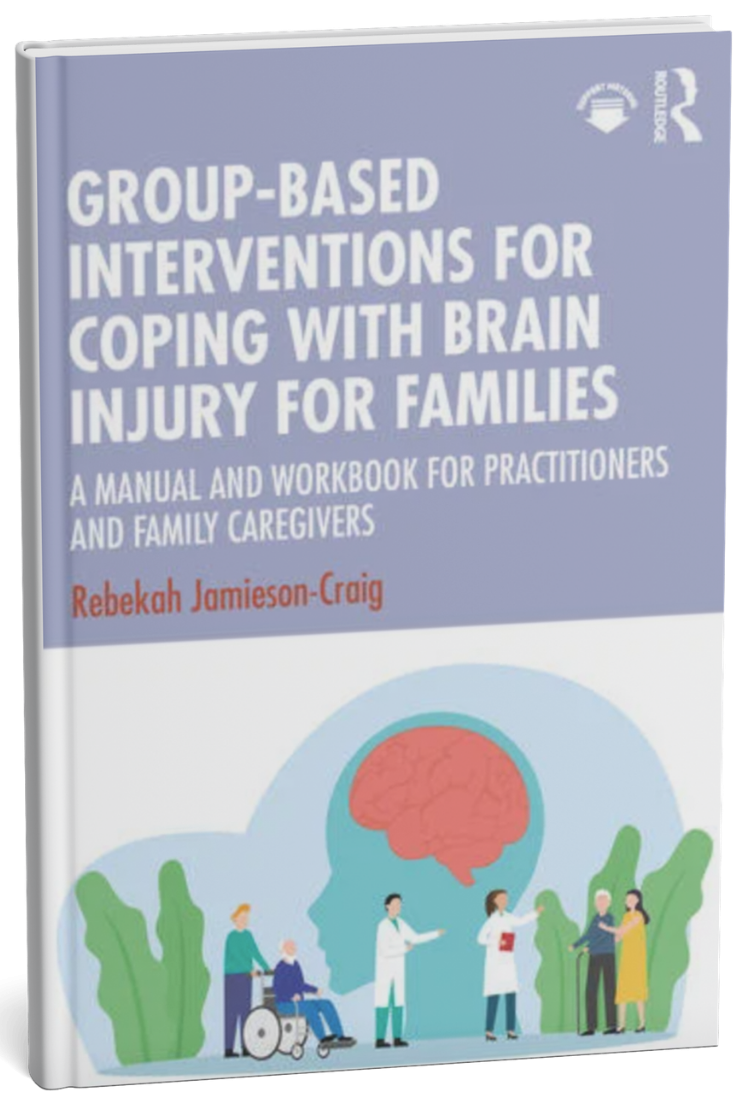
This combined manual and workbook allows clinicians to develop and run an ‘Understanding Brain Injury’ group-based intervention for the families of patients who have suffered moderate to severe brain injury. This is a specific group-based course useful for family groups with patients who are in hospital or early discharge. Taking an approach based on psycho-education and cognitive behaviour therapy, the manual guides the facilitator through each session, outlining what should be focused on, giving suggestions for talking points, and enabling the group to become a lively, interactive unit in which the members share their own experiences and gain insight and caregiving coping strategies from each other.
The manual is accompanied by a full workbook, available as an appendix and also in downloadable format in an accompanying eResource. After working through the programme, the families of the individual with the brain injury will have a better understanding of the consequences of their family member’s condition, and be helped to devise personalised solutions for these difficulties. The workbook also includes an overview of the brain and explains how damage to different areas can have physical, cognitive, behavioural, emotional, and lifestyle consequences.
This manual and workbook will be invaluable to a range of health and social care professionals and trainees working with those with brain injury in group settings.